6 November 2026
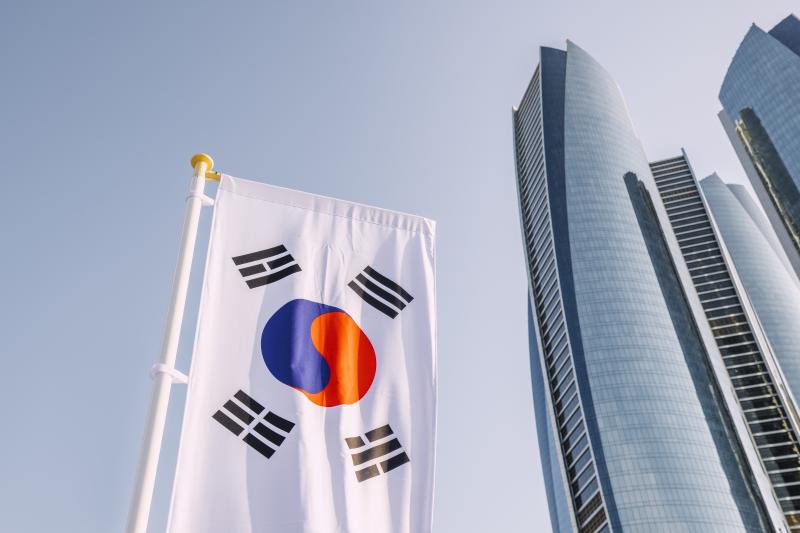
South Korea's Korea Securities Depository (KSD) has launched an electronic voting and participation platform ahead of reforms that will require large listed companies to incorporate a virtual element into shareholder meetings from 2027. The move brings a government-backed provider into a space where commercial meeting and voting solutions are already available, while seeking to broaden shareholder access.
The introduction of eVOP comes as South Korea prepares to mandate hybrid AGMs for its largest companies from 1 January 2027. For investors, the reforms are significant because they could improve participation opportunities, particularly for overseas shareholders, while providing an early test of whether greater digital access can be achieved without prompting calls for fully virtual meetings.
The eVOP platform supports simultaneous in-person and online participation in AGMs. Individual and institutional shareholders, both domestically and internationally, will be able to vote through PC and mobile devices, register attendance, submit advance votes until the day before meetings, watch proceedings via livestream, ask questions by voice or text, and participate in real-time voting. The system also allows shareholders to move between multiple company meetings held on the same day.
Revisions to South Korea's Commercial Act will require companies with assets exceeding KRW 2 trillion (approximately US$1.5 billion) to hold hybrid AGMs, affecting around 210 to 213 large KOSPI-listed companies.
A key objective is to improve accessibility for foreign investors. Historically, many overseas shareholders have exercised voting rights through standing proxies, a process requiring voting instructions to be submitted more than a week in advance. KSD has also stated that security and operational resilience were central considerations during development, including contingency measures to address potential disruptions and cyber risks.
KSD President Lee Yun-su said the platform would help overcome the time and location constraints traditionally associated with shareholder meetings and address longstanding concerns regarding shareholder access. KSD is South Korea's central securities depository, safekeeping shares and bonds, recording ownership transfers and settling trades under the oversight of the Financial Services Commission (FSC).
The platform was developed by KSD on behalf of South Korea's Ministry of Justice. The organisations plan to conduct a pilot shareholder meeting using eVOP alongside the Korea Listed Companies Association in December. KSD's involvement is notable because it means South Korea's central securities depository is taking a direct role in providing infrastructure for hybrid shareholder meetings rather than leaving that role solely to commercial providers.
The launch follows governance reforms introduced in July through amendments to the Enforcement Decree of the Korean Commercial Code, requiring virtual participation mechanisms to strengthen corporate governance and facilitate shareholder rights.
The revised framework favours hybrid rather than fully virtual meetings. However, investors should remain sharply aware of the risk that companies could use the online element to push for virtual-only AGMs.
Minerva Analytics has consistently supported hybrid AGMs because they can broaden participation and reduce practical barriers to engagement while preserving the accountability and transparency associated with physical shareholder meetings. South Korea's approach aligns with this model. The risks and opportunities around hybrid and virtual only AGMs were explored in a Minerva briefing published earlier this year.
By contrast, virtual-only AGMs remain a significant investor concern. Critics argue that such formats can limit meaningful participation, increase management control over proceedings, reduce transparency and, over time, weaken important shareholder rights and opportunities for collective engagement. As a result, many investors continue to favour hybrid structures where digital accessibility is accompanied by robust safeguards for shareholder accountability.
The debate remains highly relevant internationally. Minerva Analytics' 2026 Global Proxy Season Review found that almost 80% of US AGMs were held in virtual-only format, compared with 12% in Europe and 1.4% in the UK.
While virtual-only meetings remain relatively uncommon in the UK, the British government is currently consulting on reforms that could make such formats easier to adopt. The Investment Association has responded by encouraging companies to favour hybrid structures over fully virtual meetings, provided appropriate safeguards are maintained. The consultation closes on 30 November 2026.
The AGM reforms form part of a wider programme of governance-related changes that could affect investors.
Alongside the meeting reforms, Korea’s FSC and the Korea Exchange have revised corporate governance reporting guidelines for reports submitted from 2027. Companies must explain how changes to board size or directors’ terms affect cumulative voting, addressing circumvention concerns. They must also disclose shareholder protection measures and consultation when pursuing parent-subsidiary listings or capital increases. For AGMs, companies must explain any failure to provide annual business reports at least two weeks beforehand and disclose whether dividend information was available six weeks beforehand, allowing time for shareholder proposals.
In July, FSC outlined plans to significantly expand mandatory ESG disclosure requirements from 291 companies when the regime launches in 2028 to 3,171 companies by 2029. The expansion would significantly increase the volume of ESG-related information available to investors.
Separately, amendments to the Commercial Act introduced earlier this year compel companies to cancel newly acquired treasury shares within one year and existing treasury shares within 18 months. The reforms are intended to strengthen minority shareholder protections and reduce the influence of controlling family-owned conglomerates.
South Korea's AGM reforms are noteworthy because they seek to expand shareholder participation without abandoning the accountability mechanisms associated with physical meetings. The launch of eVOP also means that a government-backed market institution is now participating directly in the development of AGM infrastructure as companies prepare for the new hybrid meeting regime. From Minerva's perspective, the reforms represent a potentially important example of how technology can be used to strengthen shareholder access without creating a pathway towards virtual-only meetings. The December pilot meeting and the first AGM season under the new rules in 2027 will provide investors with an important indication of whether eVOP can deliver that balance in practice.