.svg)
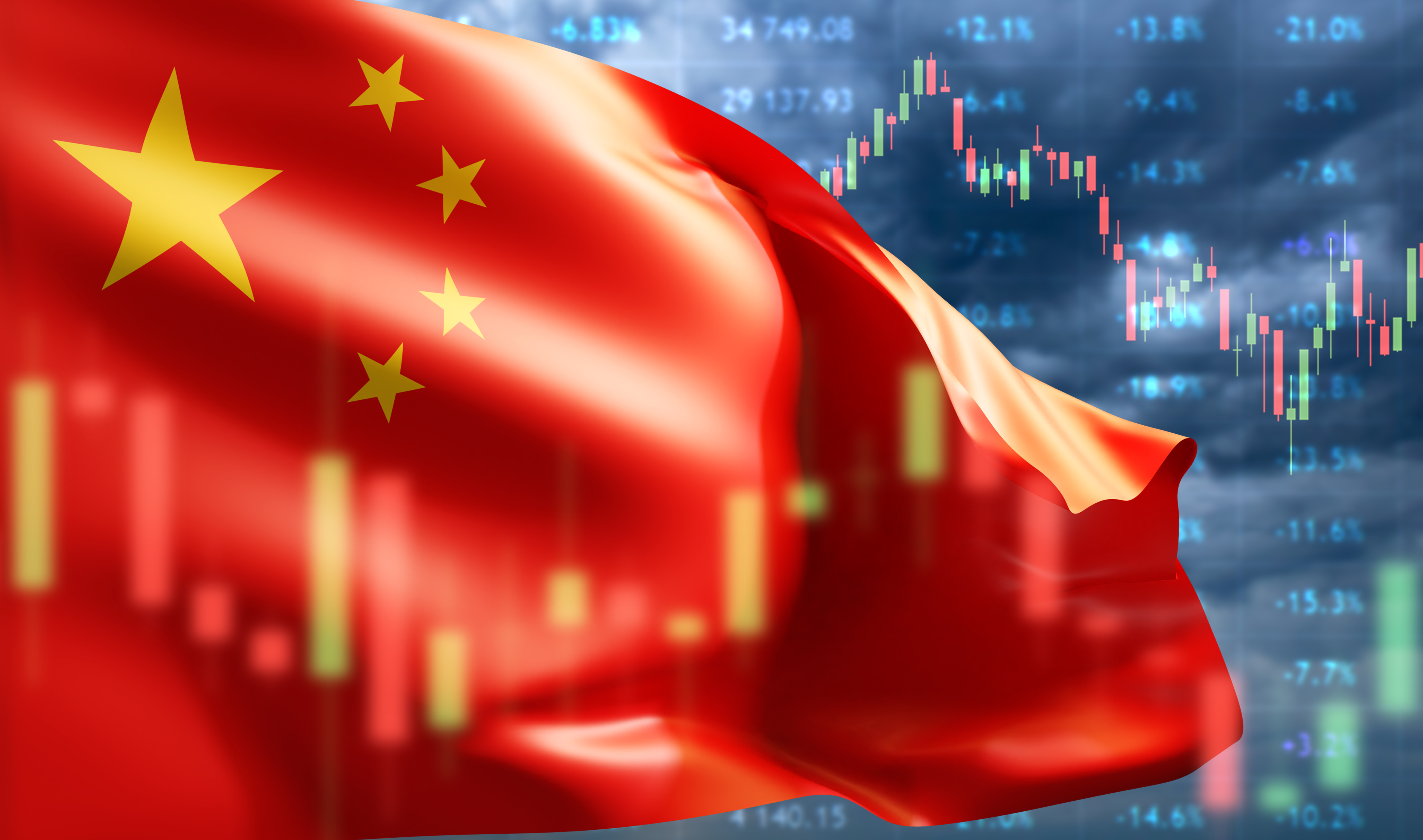
China's four principal financial regulators have jointly issued 22 measures to strengthen governance across financial institutions, working towards a framework of clear responsibilities, effective incentives, strict risk management and efficient operations by 2029.
The joint authorship matters. The China Securities Regulatory Commission (CSRC), Ministry of Finance, National Financial Regulatory Administration and People's Bank of China do not routinely publish together, and doing so places governance within the financial stability remit rather than leaving it to securities regulation.
Two of the 22 address ownership and shareholder conduct, four concern the effectiveness of governance bodies, and three deal with internal controls. The remainder cover Party leadership within financial institutions, consumer protection, social supervision, regulatory oversight and sustainable development.
The fourth measure strengthens transparency requirements for major shareholders, actual controllers and beneficial owners, and targets concealed control arrangements, affiliated-party relationships and concerted-action agreements. It also addresses false capital contributions, circular capital injections and improper capital withdrawals.
Anbang in 2018 and Baoshang Bank in 2019 both failed expensively after control was exercised through layered structures that obscured who was directing the institution. The measure consolidates a decade of enforcement experience rather than announcing a new posture.
The fifth measure limits improper interference in management, restricts the transfer of benefits to shareholders and related parties, and strengthens minority investor protections, including rights to information, participation and representation in the election of directors and supervisors.
Read together, the two measures are concerned less with who owns a financial institution than with how influence is exercised once ownership is established. That distinction between formal ownership and effective control runs through the whole package, including the measures on board performance, independent director effectiveness, internal audit and compliance.
In the same period the Asset Management Association of China issued trial guidelines for funds using sustainability labels, introducing an eighty per cent alignment requirement together with guidance on portfolio construction, governance and product naming. The CSRC and Hong Kong's Securities and Futures Commission separately announced closer regulatory coordination.
For UK readers the AMAC guidelines carry the most direct read-across. An eighty per cent threshold with naming rules sits alongside the FCA's Sustainability Disclosure Requirements and ESMA's fund naming guidelines, both of which set proportion thresholds for funds using sustainability-related terms. Three major jurisdictions have now settled on the same regulatory technique for the same problem.
The United States is moving the other way. The SEC has proposed halving the frequency of mandatory financial reporting and has spent several years reducing the reach of proxy advisory regulation.
Minority investor protection carries a different weight, though, where Party leadership appears in the same package of measures and the state is frequently the controlling shareholder. Strengthened shareholder rights and strengthened state direction are not in tension there in the way a Western reader might assume.
Both jurisdictions now treat governance as an instrument of economic policy rather than as a matter to be settled between companies and their owners. They are travelling towards that position from opposite directions, and in neither case is the appropriate level of scrutiny of corporate power being left to owners to decide.
Three questions follow for anyone holding Chinese exposure through Stock Connect, Hong Kong listings or emerging market mandates.
Whether the ownership transparency requirements improve beneficial ownership disclosure available to the market, or operate principally as a supervisory tool. The measures are addressed to regulators, and better information reaching the regulator does not automatically reach investors.
Whether independent director effectiveness becomes assessable from outside. Independence has long been hard to evaluate in Chinese listed financials, and improvement would help anyone voting those holdings.
Whether the AMAC labelling threshold reaches funds available to non-domestic investors, or applies only to onshore products.
None of these is answered by the announcement. Implementation runs to 2029 and the detail will come through subordinate rules, so the answers will arrive slowly.

.jpg)