.svg)
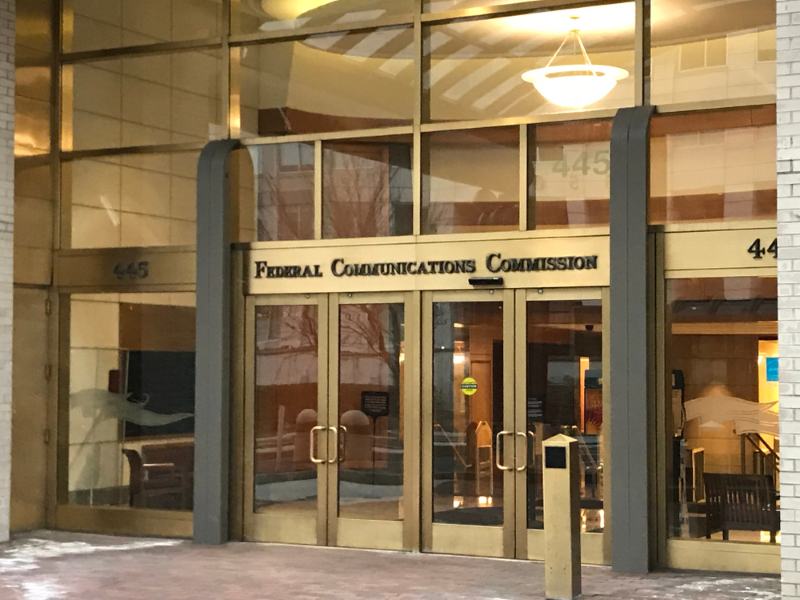
Disney and ABC have sued the US Federal Communications Commission (FCC), alleging that the regulator has unlawfully used its licensing powers to retaliate against the broadcaster over its editorial content. The lawsuit seeks to halt licence renewal proceedings against eight ABC-owned stations and has quickly become a significant test of how far regulatory authority can be exercised where political criticism and corporate speech intersect.
The dispute centres on whether a regulator charged with acting independently can use its powers in ways that appear connected to criticism of a company's editorial decisions. For boards and investors, the case raises important questions about how companies should respond when they believe regulatory action is being used to influence corporate behaviour.
A US judge has reportedly rejected a request from the plaintiffs for an urgent hearing on the lawsuit to be held by Tuesday. The judge has instead instructed the plaintiffs and defendant to file legal paperwork linked to the lawsuit by 24 September 24 and ahead of a hearing which is set to take place in early October.
The lawsuit stems from FCC demands that eight ABC-owned stations submit early licence renewal applications. Disney and ABC argue that the requirement represents a break from established practice and forms part of a wider effort to pressure the company over content and editorial decisions.
According to the complaint, the stations were ordered to begin a licence renewal process years before it would normally occur and were given just 30 days to submit applications that typically take months to prepare. The company says the regulator has not imposed such coordinated early renewals on commonly owned stations for decades.
The filing links the regulator's actions to public criticism of ABC by US President Donald Trump, including comments directed at comedian Jimmy Kimmel's programme. The lawsuit argues that the timing of the licence action demonstrates an effort to penalise speech.
"Government censorship is deeply un-American," the lawsuit states. "Again and again, the Administration has attacked ABC's speech, the stories its journalists report and the viewpoints its network programs air. Over time, those attacks have escalated into express demands that ABC be stripped of its broadcast licenses because of its speech."
The complaint further alleges that the FCC's actions were intended to pressure the broadcaster into compliance with the administration's preferences. "The timing of the FCC's actions underscores the Commission's true purpose: coercing and retaliating against a network that refuses to bow to the Administration's demands," the filing states.
While the case centres on constitutional claims, its significance extends beyond the media industry. The lawsuit directly challenges the principle that regulators should operate free from political influence, a foundation of confidence in regulatory systems.
For boards, the dispute highlights a difficult governance question. Directors are expected to oversee regulatory risk and maintain constructive relationships with public authorities. Allegations that a regulator is using its powers to retaliate against lawful corporate activity create a different challenge, particularly when boards believe operational independence or long-term enterprise value could be affected.
The case is therefore likely to be watched closely not only by media companies but by governance professionals across sectors. The outcome may help clarify the limits of regulatory discretion and the extent to which companies can challenge government action they view as politically motivated.
The lawsuit framed the dispute in broader terms, arguing that the implications extend far beyond the company. "If the Administration gets its way, the message to every media company in the country will be unmistakable: tell only the stories the Administration deems favorable, or face the coercive machinery of the federal government," it warned.
Disney, ABC and the eight affected stations are seeking a temporary restraining order and preliminary injunction to halt the FCC's early licence renewal proceedings. The complaint argues that the broadcaster faces continuing harm from what it characterises as retaliation for protected speech.
The lawsuit states that, faced with an "existential threat", the plaintiffs have "no choice but to seek redress from the judicial branch for the Administration's blatant retaliation for their First Amendment speech". It also argues that the company suffers continuing constitutional harm for as long as the proceedings remain active.
Named defendants include the FCC itself, Chairman Brendan Carr and Commissioners Anna Gomez and Olivia Trusty. Carr was appointed FCC Chairman by Trump in November after serving as a commissioner since 2017.
The FCC has reportedly rejected the lawsuit’s claims, arguing that the company is attempting to prevent the regulator from carrying out its duties. A report quoted a Commission spokesperson who accused Disney of conducting an "ongoing campaign of disinformation" while seeking to stop the FCC from pursuing the matter. Last month, Brendan Carr defended the regulator's position, arguing that broadcasters are required to operate "in the public interest".
However, FCC Commissioner Anna Gomez, the agency's sole Democratic commissioner, publicly welcomed the lawsuit and explicitly linked the case to concerns about regulatory overreach.
"For months, the FCC has waged a campaign of censorship and control against Disney's ABC stations, using the threat of broadcast license revocations to punish a company for speech this administration doesn't like," she said.
Her intervention is notable because it suggests concerns about the use of regulatory powers are not confined to the companies involved. Questions about the perceived politicisation of oversight are now being raised from within the agency itself.
Regardless of the legal outcome, the lawsuit is likely to become an important test case for the relationship between regulatory authority and corporate independence. If the courts accept the lawsuit's arguments, the decision could reinforce limits on how regulators deploy licensing and enforcement powers against companies engaged in constitutionally protected activity. If the FCC prevails, regulators may emerge with greater latitude to pursue aggressive oversight strategies where actions are framed as serving the public interest.
For boards and governance teams, the broader issue extends beyond the outcome of this particular dispute. The case raises a fundamental question about how companies should respond when they believe regulators are acting beyond their intended role. The answer could influence approaches to regulatory risk, corporate rights and board oversight well beyond the media sector.

.jpg)